How to Plan Your Trip to the Hatta Mountains
Understanding the Area Before You Go
Getting the most out of a visit to the Hatta mountains starts with knowing what the region offers. The landscape is a mix of rocky peaks, wadi valleys, and man-made attractions that sit within the Hajar mountain range. Unlike a single peak you climb in a day, the area works as a destination where you can spend several hours or a full day moving between sites. The key is to match what you want to do with the practical realities of the terrain and the weather.
Most visitors come for the contrast between the dry mountain scenery and the cool water of Hatta Dam. Others are drawn to the heritage village, the mountain bike trails, or simply a quiet drive through the hills. Because the area is spread out, you need a plan that links the places you want to see without wasting time on back-and-forth driving. The roads are winding and narrow in places, so factor in slower travel times. Also note that summer heat can make midday outdoor activities uncomfortable, while winter weekends attract larger crowds. Picking the right season and time of day is the first practical step.
Step 1: Decide on Your Main Activity
Before you look at a map, decide what kind of experience you want. The Hatta mountains offer several distinct activities, and each one dictates where you base yourself and what gear you bring. If your aim is kayaking on Hatta Dam, you will spend most of your time at the water edge. If you prefer hiking or mountain biking, the trails around Hatta Wadi Hub and Hatta Mountain Bike Trail become your focus. If history interests you more, Hatta Heritage Village and Hatta Fort give you a glimpse into the region's past. Trying to do everything in one trip often leads to a rushed day and less enjoyment. Choose one primary activity, then add a secondary stop if time allows.
What to Watch For
Check the operating hours and any booking requirements for your chosen activity. Kayak rentals at Hatta Dam, for example, may have limited availability during peak times. Mountain bike trails have different difficulty ratings, so match the trail to your skill level. The heritage village is free to enter but has specific opening times. Knowing these details beforehand prevents disappointment on arrival.
Step 2: Plan Your Route and Stops
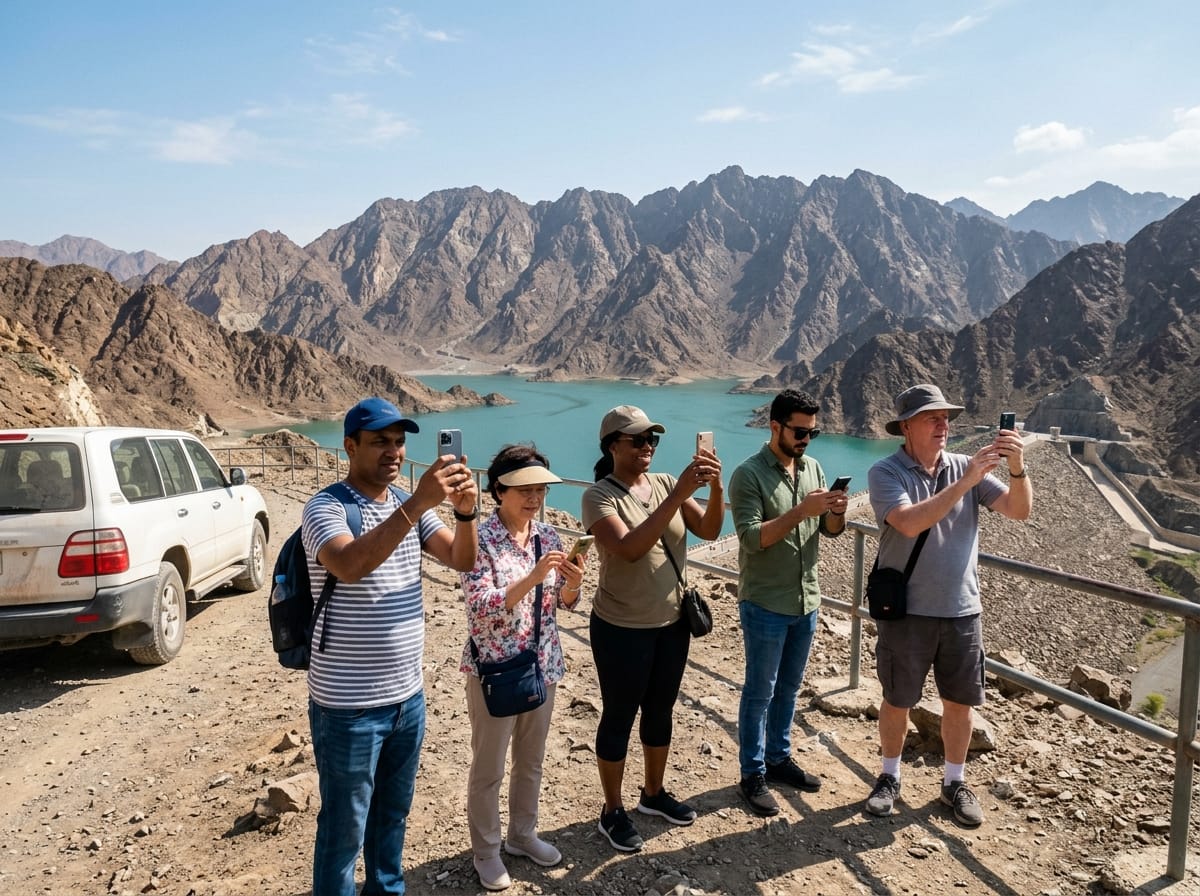
Once you know your main activity, plot a route that links it with other points of interest. A typical loop might start at Hatta Hill Park for a panoramic view, then move to Hatta Dam for kayaking, followed by a short drive to Hatta Heritage Village and Hatta Fort. If you are cycling, you can combine the Hatta Mountain Bike Trail with a stop at the rock pools for a cool-down. The distances between these spots are not huge, but the roads are often steep and winding. Allow at least 20 minutes between each stop, more if you plan to park and walk.
A common mistake is underestimating the time needed at each location. Hatta Dam can take two hours if you kayak, but only 30 minutes if you just take photos. Hatta Heritage Village has several restored buildings and exhibits that reward a slow walk-through. The rock pools may require a short hike from the parking area. Build in buffer time so you are not rushing from one place to the next. This approach also lets you linger if a spot catches your interest.
What to Watch For
Mobile reception can be patchy in parts of the mountains, so download offline maps or screenshots of directions before you leave. Some roads are unpaved and better suited to a four-wheel-drive vehicle, especially after rain. Parking at popular spots like Hatta Dam fills up early on weekends. Arriving by mid-morning gives you a better chance of a good spot.
Step 3: Pack for the Conditions
The climate in the Hatta mountains can shift quickly. Mornings are often cool, even in summer, while afternoons can be hot and sunny. In winter, temperatures drop noticeably after sunset. Layered clothing is the safest choice. Bring a light jacket or fleece even if the forecast looks warm. Sun protection is essential: a hat, sunglasses, and sunscreen, because the mountain sun is strong and there is little shade on many trails.
Water is the most important item. The dry air and physical activity mean you will need more than you think. Carry at least one litre per person for a half-day trip, and more if you are hiking or biking. Snacks are useful because food options inside the area are limited. A few small cafes and food trucks operate near Hatta Wadi Hub and the dam, but they may not be open every day. Packing a picnic gives you flexibility.
What to Watch For
If you plan to visit the rock pools, bring water shoes or sturdy sandals. The rocks can be slippery and sharp. A towel and a change of clothes are useful if you intend to wade or swim. For mountain biking, a repair kit and a pump are essential because the trails are remote and help may take time to reach you.
Step 4: Time Your Visit Wisely
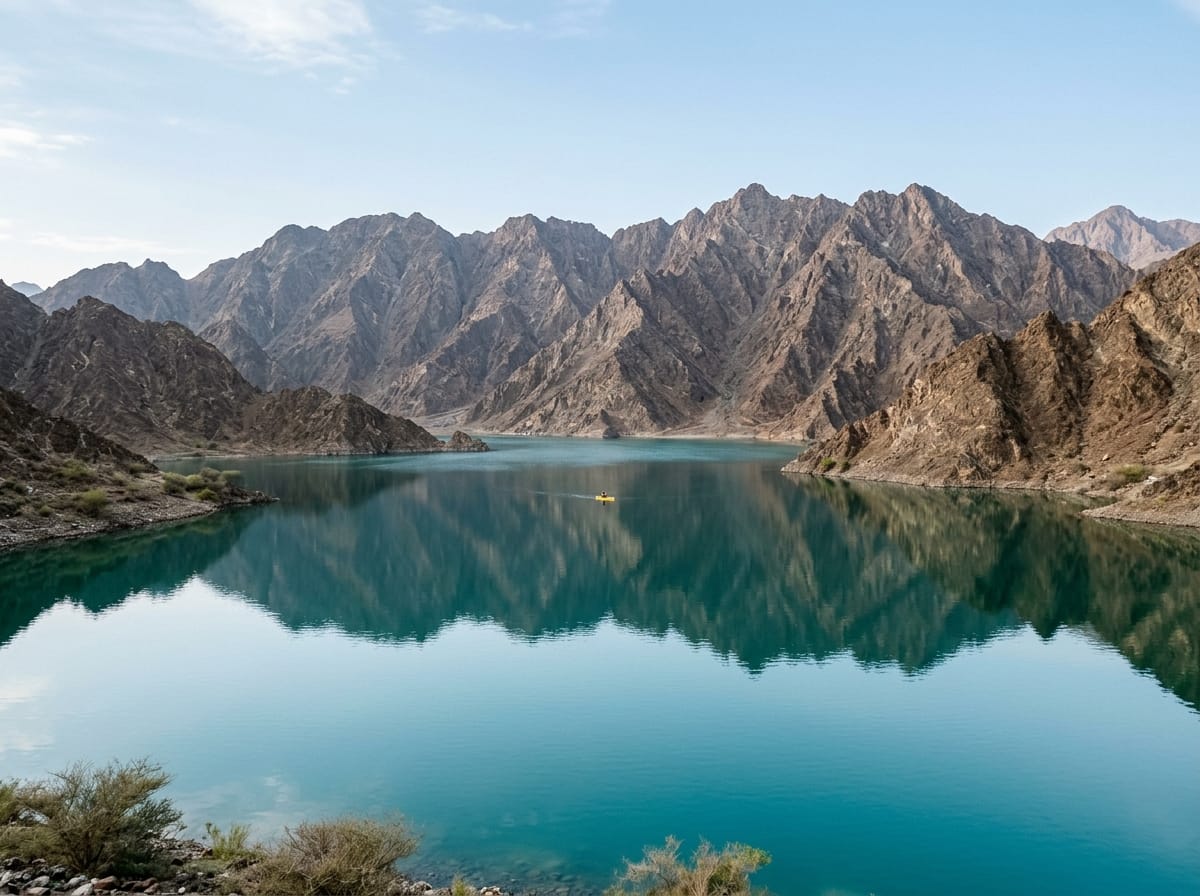
Timing affects both your comfort and the quality of your experience. For the best light and cooler temperatures, start early. The golden hour after sunrise casts a warm glow on the mountains and the water. Crowds are thinner in the morning, and the heat is manageable even in summer. If you are not an early riser, late afternoon is the next best option. The light softens again, and the temperature drops. Midday, especially between 11 AM and 3 PM, is the least pleasant time for outdoor activities in the Hatta mountains.
Weekdays are quieter than weekends. If your schedule allows, a Tuesday or Wednesday visit gives you more space and shorter queues at rental counters. Public holidays and school breaks bring larger crowds. Check the local calendar before you book. Also note that some facilities close on certain days. Hatta Heritage Village, for instance, is closed on Mondays. Double-check the opening days of any site you plan to visit.
What to Watch For
Weather forecasts are available for the Hatta area, but mountain weather can be localised. A clear sky over the dam might not mean clear conditions at the higher peaks. If you are hiking, ask at the visitor centre or a local guide about current trail conditions. Flash floods are rare but possible after heavy rain, so avoid wadis and low-lying areas during storms.
Step 5: Respect the Environment and Local Rules
The Hatta mountains are a natural and cultural heritage area. Littering is not only disrespectful but also carries fines in some parts. Carry a bag for your rubbish and dispose of it properly when you find a bin. The rock pools and wadis are fragile ecosystems. Avoid disturbing wildlife, and do not remove rocks, plants, or artifacts. The heritage village and fort are historic sites; treat them with the same care you would a museum.
Drone flying is restricted in certain zones, especially near the dam and the heritage village. Check the local regulations before you launch one. If you are cycling or driving, stick to designated paths. Off-roading damages the landscape and can lead to penalties. The area is also home to local communities, so be mindful of noise and privacy when passing through villages.
What to Watch For
Some trails and viewpoints have no shade or facilities. Plan your comfort breaks accordingly. A portable toilet or a plan to use the facilities at Hatta Wadi Hub or the dam can save discomfort later. The same applies to phone charging: bring a power bank if you rely on your phone for maps, tickets, or communication.
Putting It All Together
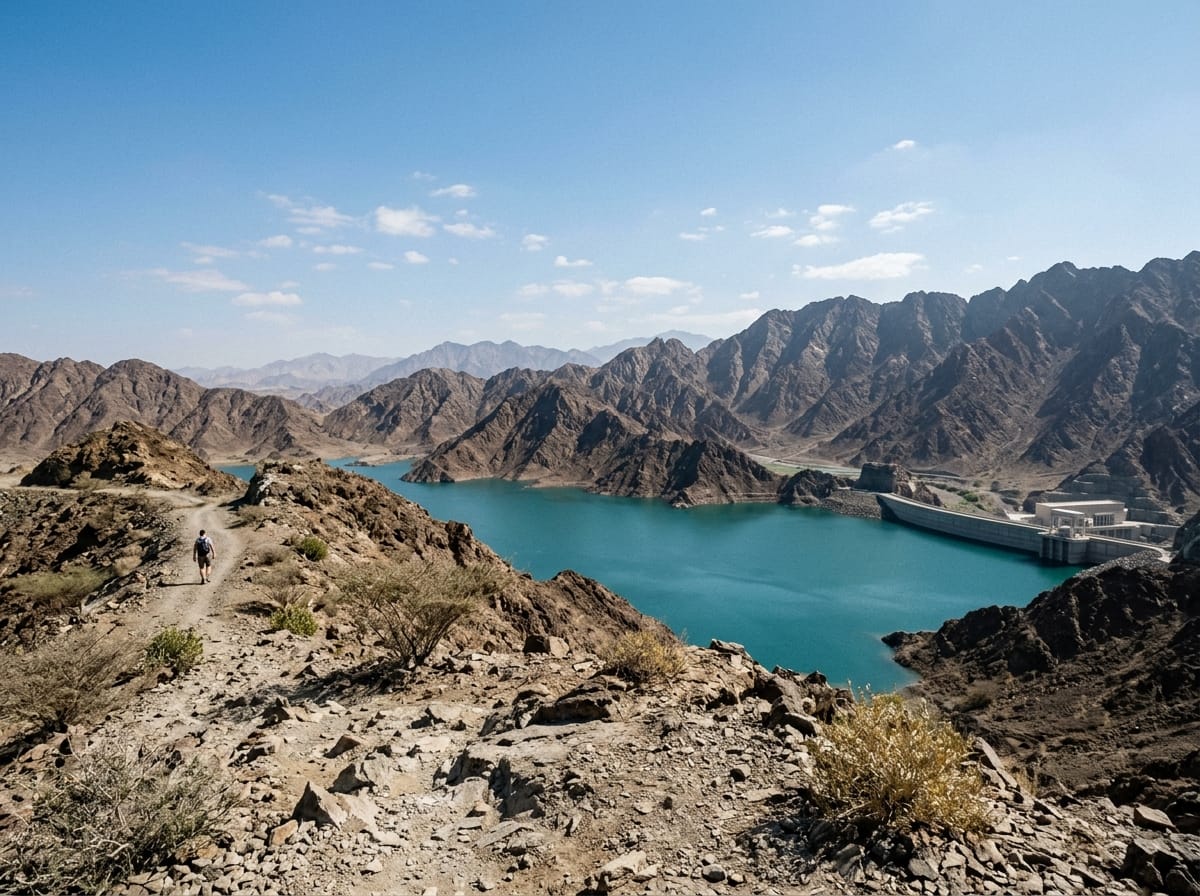
A trip to the hatta mountain dubai area is as rewarding as the planning you put into it. By choosing a main activity, mapping a realistic route, packing for the conditions, timing your visit, and respecting the environment, you set yourself up for a smooth and enjoyable day. The landscape is dramatic and varied, offering something for kayakers, hikers, cyclists, and history buffs alike. The key is to pace yourself. The mountains are not a checklist to tick off but a place to absorb at a comfortable rhythm.
If you are new to the area, start simple. Pick one or two stops, spend quality time there, and leave with a sense of what the region offers. You can always return for a deeper exploration. The hatta mountain dubai region rewards repeat visits, especially as the seasons change the colours and the crowds. Whether you are paddling across the dam, pedalling along the bike trails, or wandering through the heritage village, the experience stays with you because it feels genuine and unhurried. That is the real value of planning ahead: it lets you be present in the moment rather than worrying about what comes next.